Online addiction treatment in South Carolina
QuickMD offers private, judgment-free addiction treatment online in South Carolina for substance use disorders, including treatment with Suboxone®.
- Get support as soon as today
- Same-day prescriptions
- Over 1 million visits completed
Medications require a consultation with a licensed clinician via QuickMD. If eligible, the clinician will recommend the best option for you. Satisfaction rating from patient experience survey results collected May 2025.
How online doctor visits work
Book an online doctor visit in minutes. No insurance required.
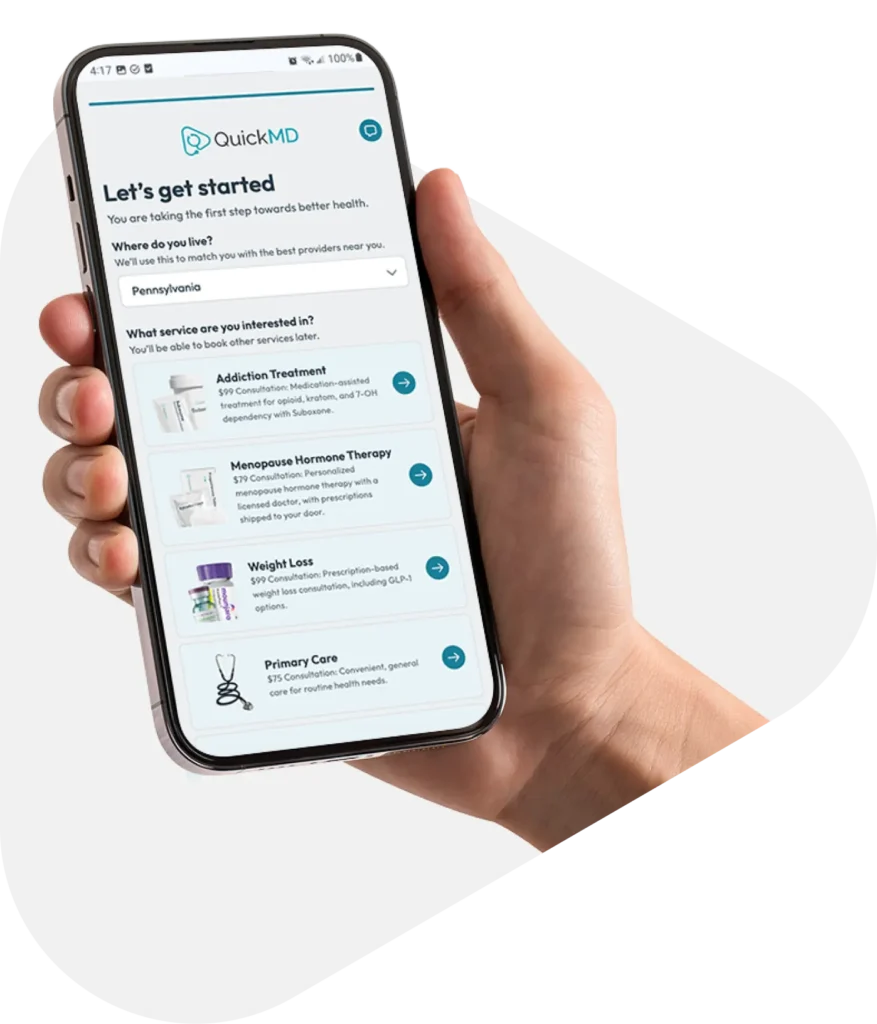
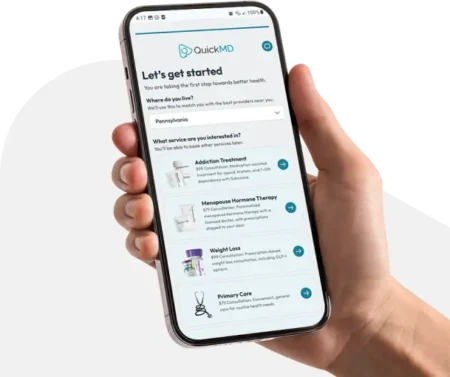
Answer a few questions
Tell us what you need. We'll match you with licensed doctors who treat your condition in your state.
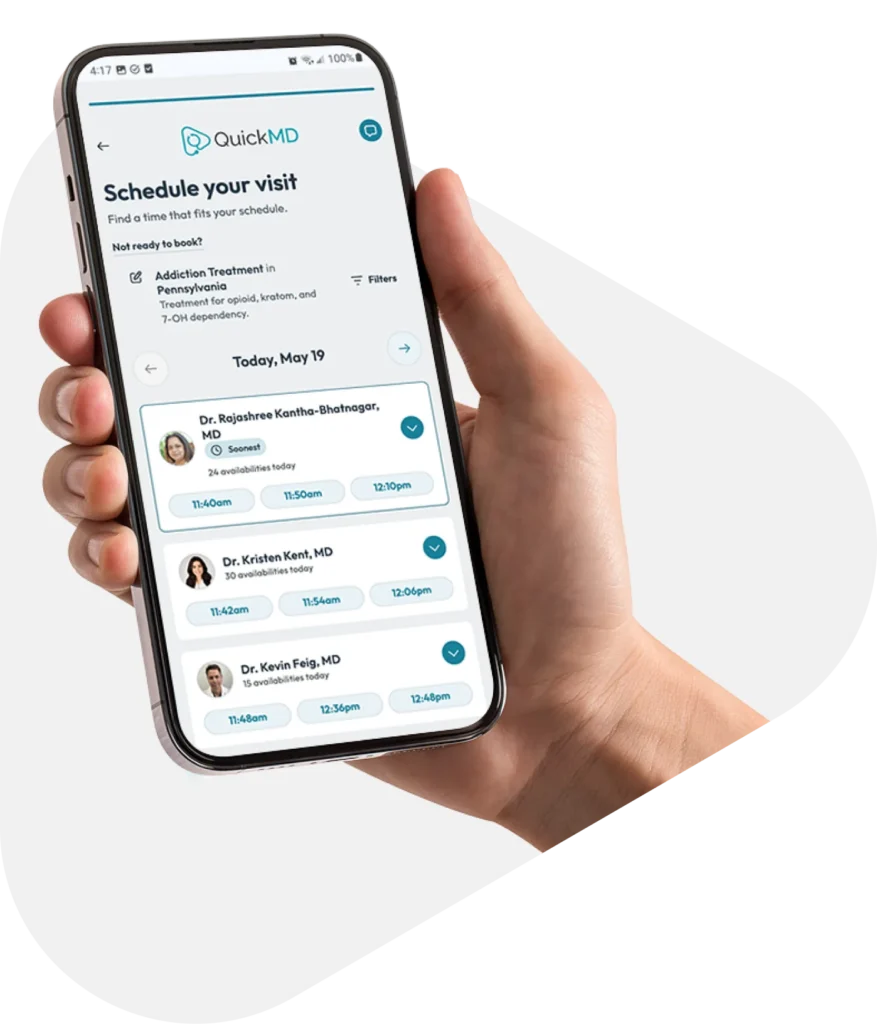
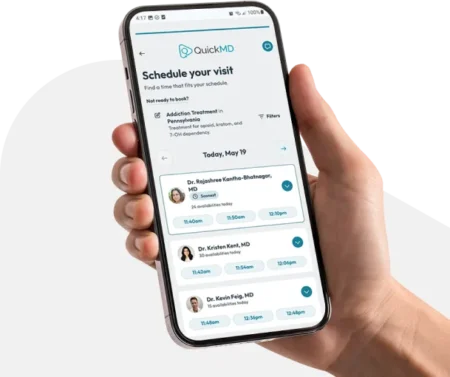
Choose your doctor
Pick your doctor, create your account, and book a time that works for you. Same-day visits are often available.
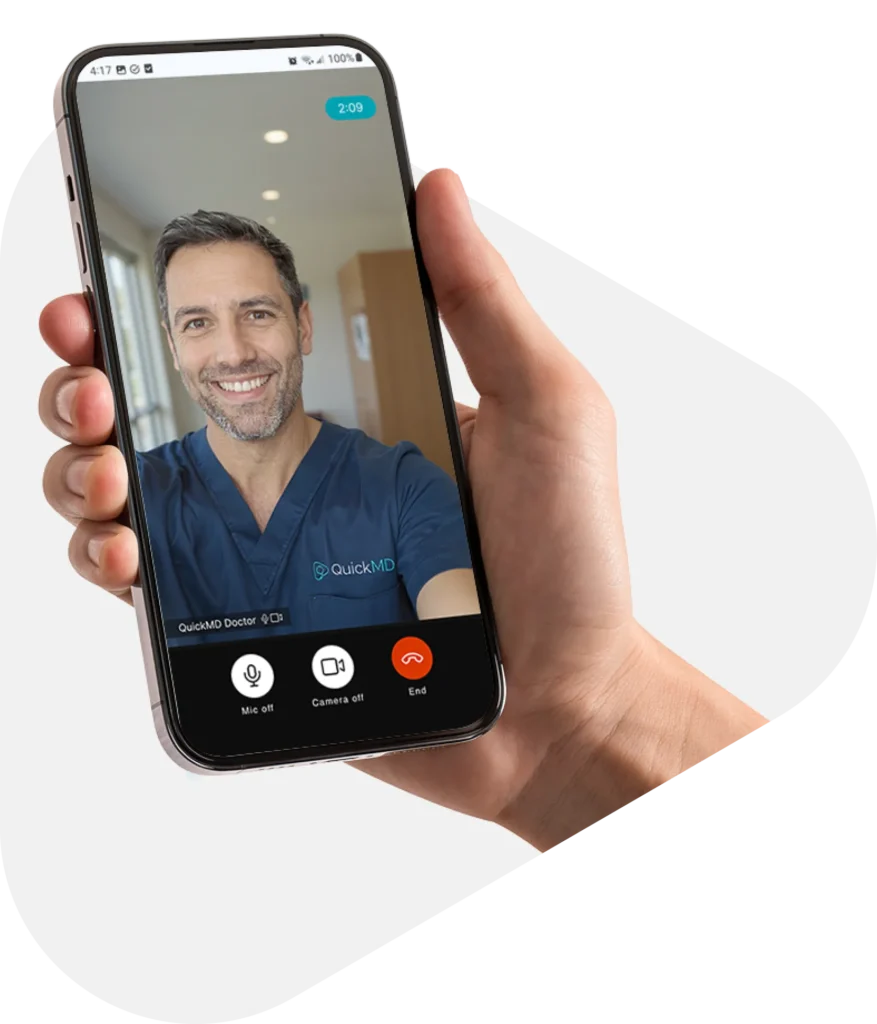
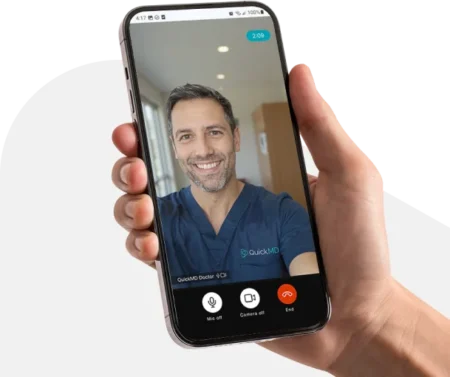
Meet by phone or video
Talk with a doctor by private phone or video and get your prescription the same day if appropriate.
Manage opioid cravings and withdrawal with Suboxone® treatment
Private and judgment-free video visits now available.
What our patients are saying

Appointments
7 days/week

Same-day
prescriptions

100% online
and secure
Stop opioid cravings and withdrawal
Same-day visits. No insurance required.
Start treatment with Suboxone today
At QuickMD, getting your Suboxone prescription is simple. Schedule a quick phone or video appointment with a licensed clinician and we’ll send your prescription directly to your pharmacy.
Meet our licensed clinicians in South Carolina
We make it easy to find licensed clinicians in South Carolina. Meet trusted experts, available seven days a week for virtual care.
-
Dr. Abdullah Almehbash
Licensed clinician
South CarolinaNow accepting new patients -
Dr. Angela Schultz
Licensed clinician
South CarolinaNow accepting new patients -

Dr. Annette Clark-Brown
Licensed clinician
South CarolinaNow accepting new patients -
Dr. Brandi Gary
Licensed clinician
South CarolinaNow accepting new patients -
Dr. Catherine Compton
Licensed clinician
South CarolinaNow accepting new patients -
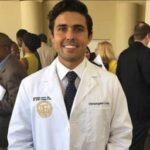
Dr. Christopher Long
Licensed clinician
South CarolinaNow accepting new patients -
Dr. Clint Seymour
Licensed clinician
South CarolinaNow accepting new patients -
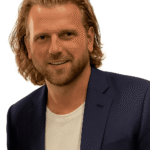
Dr. Daniel Funsch Jr
Licensed clinician
South CarolinaNow accepting new patients -

Dr. Dylan Deatrich
Licensed clinician
South CarolinaNow accepting new patients -
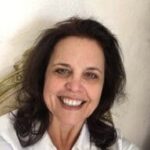
Dr. Janet Whitney
Licensed clinician
South CarolinaNow accepting new patients -
Dr. John McElwee
Licensed clinician
South CarolinaNow accepting new patients -
Dr. Paul Flatley
Licensed clinician
South CarolinaNow accepting new patients -

Dr. Sean Bandzar
Licensed clinician
South CarolinaNow accepting new patients -

Dr. Thomas White
Licensed clinician
South CarolinaNow accepting new patients
Why virtual addiction treatment matters in South Carolina
Between December 2023 and December 2024, the CDC reported that over 1,400 South Carolinians died from drug overdoses. That number doesn’t just reflect a public health crisis. It reflects lives lost while waiting for care, or being too afraid to reach for it. Whether it’s opioids, alcohol, or stimulants, the experience of addiction is isolating.
And too often, that isolation is made worse by geography. More than 30% of South Carolina’s population lives in rural areas. Many rural counties are designated as health professional shortage areas, which means there simply aren’t enough doctors, therapists, or addiction specialists available. A person may be ready to seek help today, but is told the next appointment is weeks away or hours from home. That delay alone can be the difference between life and loss.
This is where virtual addiction treatment becomes not just helpful, but urgent.
With telemedicine, someone struggling with cravings in a motel room in Sumter, or withdrawal symptoms on a couch in Pickens, can speak to a licensed provider the same day, often within hours. They don’t have to drive across counties or sit in a waiting room looking over their shoulder. They can receive Medication-Assisted Treatment (MAT), counseling, and follow-up care from the privacy and safety of home.
Virtual care breaks down the barriers that keep people stuck in silence. It offers privacy, immediacy, and dignity. For someone who’s used to being dismissed, judged, or turned away, that kind of access isn’t just convenient. It can be life-saving.
How access to addiction treatment is improving in South Carolina
Access to addiction treatment in South Carolina is beginning to shift in meaningful ways, shaped by both legislative reform and a growing recognition that recovery must be accessible to everyone, no matter their zip code, income, or past.
One of these important shifts occurred in South Carolina’s Medicaid program, Healthy Connections, which now covers a range of substance use disorder services, including inpatient treatment, outpatient care, counseling, and Medication-Assisted Treatment (MAT). Critically, it also covers these services when delivered via telemedicine, helping remove the geographic and logistical hurdles that often delay or prevent treatment.
Recent legislation is reinforcing these changes. Bill 1265, introduced in 2023, requires that patients be informed about non-opioid alternatives for pain management before being prescribed opioids. It also directs Medicaid to treat non-opioid pain treatments equitably, a step aimed at reducing unnecessary exposure to opioids and lowering the risk of future misuse.
Another 2023 law, Bill H3870, formally authorizes the operation of Narcotic Treatment Programs across the state and sets clear standards for how they’re permitted and staffed. This has helped expand the state’s capacity to provide MAT, particularly in areas where services have been limited or non-existent.
At the same time, opioid settlement funds are being used to build recovery infrastructure across South Carolina. These investments support everything from naloxone distribution and harm reduction outreach to the development of mobile treatment clinics and community-based recovery programs. Local organizations and public health departments are stepping up as well, partnering to deliver virtual counseling, overdose prevention, and wraparound services to people who would otherwise be left behind.
Virtual addiction treatment is also playing a particularly vital role in this shift by demonstrating that it offers a fundamentally different way of delivering care. By restoring a sense of agency to people who have often felt powerless, virtual care gives individuals control over when and how they engage with treatment.
With these efforts, addiction is no longer being viewed strictly through a lens of punishment or stigma, but increasingly as a treatable, chronic condition that deserves evidence-based care.
How our MAT program helps South Carolina residents
Our MAT program is grounded in science and built around people. Using FDA-approved medications like Suboxone® (buprenorphine/naloxone), we help reduce the physical intensity of withdrawal and cravings so you can start to feel stable enough to focus on healing. These medications support your brain chemistry in ways that make recovery possible. It’s about creating room for you to rebuild your life, your relationships, and your confidence.
But more than the medication, it’s how we treat you that matters. We don’t rush. We don’t shame. Whether this is your first time asking for help or your fifth time trying, we meet you where you are with respect, flexibility, and care that fits your life.
You can schedule a same-day virtual appointment, talk to a licensed provider from home, and have your prescription sent to your local pharmacy, all without stepping into a clinic or being put on hold. We believe in practical, respectful help that gives you back your agency.
Tips for managing addiction treatment
1. Don’t rush your progress
There’s no timeline for healing. Some weeks will feel strong. Others might feel like survival mode. Both are valid. Let progress be flexible and self-defined.
2. Create your recovery contact list
Keep a short list of people you can text, call, or message when things feel heavy. That could be a QuickMD provider, a trusted friend, or a virtual recovery group. Having those names ready can reduce the friction when asking for help.
3. Let yourself grieve what addiction took
Recovery often brings grief. Lost time, relationships, jobs, or versions of yourself. You’re allowed to feel that. Letting yourself grieve is part of healing, not a sign that you’re going backward.
We also offer these services in South Carolina
At QuickMD, we're committed to bringing convenient, affordable, and compassionate virtual care to patients across South Carolina. In addition to addiction treatment, we proudly offer:
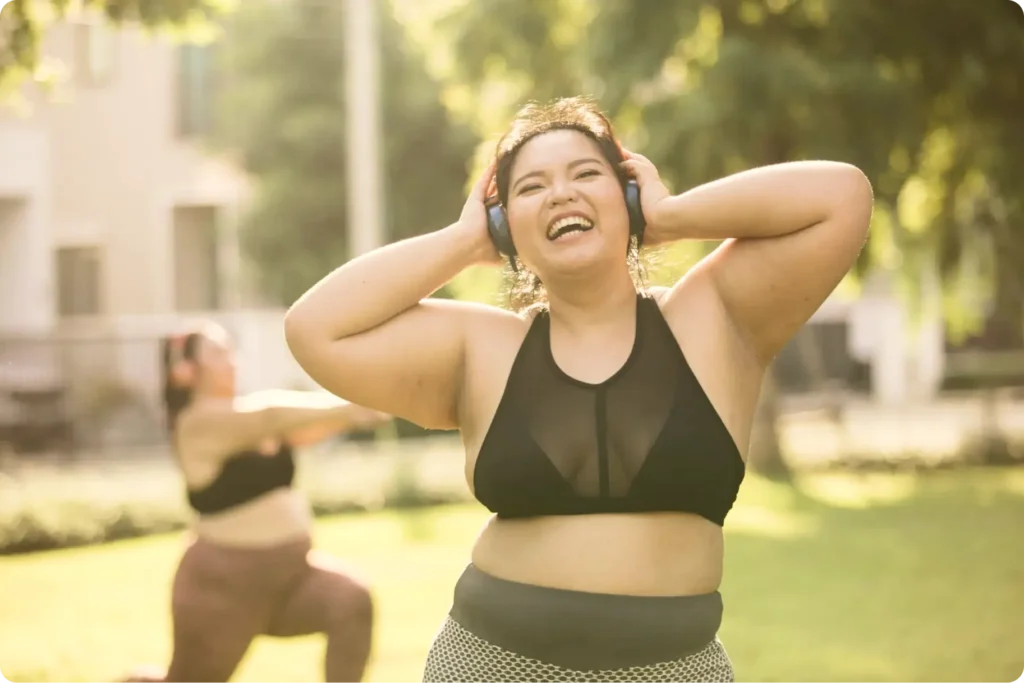
Medical weight loss
Our online weight loss treatment helps you explore options like Ozempic® and Mounjaro® with licensed clinicians, offering support tailored to your health goals.

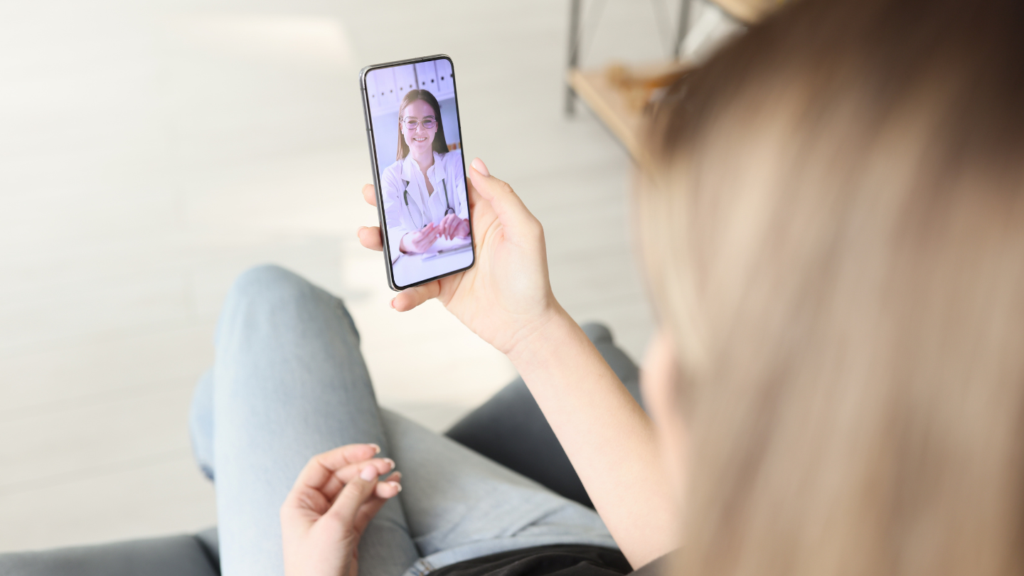
Start treatment with Suboxone today
At QuickMD, getting your Suboxone prescription is simple. Schedule a quick phone or video appointment with a licensed clinician and we’ll send your prescription directly to your pharmacy.
Frequently asked questions about MAT in South
Carolina
Yes. South Carolina’s Healthy Connections Medicaid covers both inpatient and outpatient addiction treatment services, including counseling and Medication-Assisted Treatment with Suboxone®, methadone, and naltrexone. Coverage also includes telemedicine appointments for eligible services.
There is no one-size-fits-all solution, but research consistently shows that the most effective treatment combines medications (like those used in MAT) with behavioral therapy and support. This integrated approach helps treat both the physical and psychological aspects of addiction.
MAT (Medication-Assisted Treatment) is the broader term for treatment that combines medication with counseling and therapy. OTP (Opioid Treatment Programs) are specialized clinics that often administer medications like methadone on-site. While OTPs require daily visits for some medications, MAT can also be done virtually with medications like Suboxone® that you pick up at a local pharmacy.