Online addiction treatment in California
QuickMD offers private, judgment-free addiction treatment online in California for substance use disorders, including treatment with Suboxone®.
- Get support as soon as today
- Same-day prescriptions
- Over 1.5 million visits completed
Medications require a consultation with a licensed clinician via QuickMD. If eligible, the clinician will recommend the best option for you. Satisfaction rating from patient experience survey results collected May 2025.
How online doctor visits work
Book an online doctor visit in minutes. No insurance required.
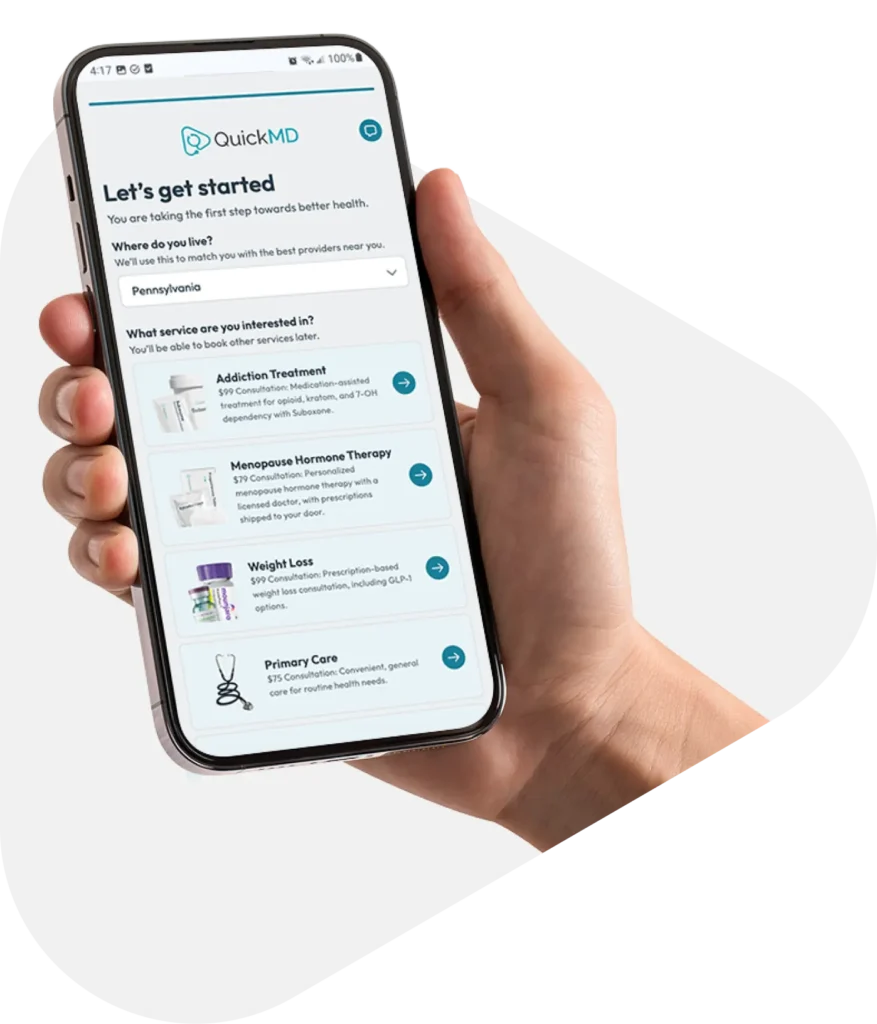
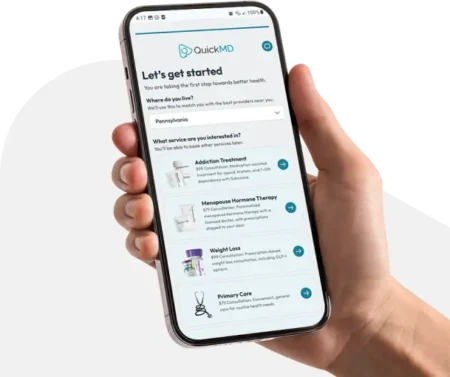
Answer a few questions
Tell us what you need. We'll match you with licensed doctors who treat your condition in your state.
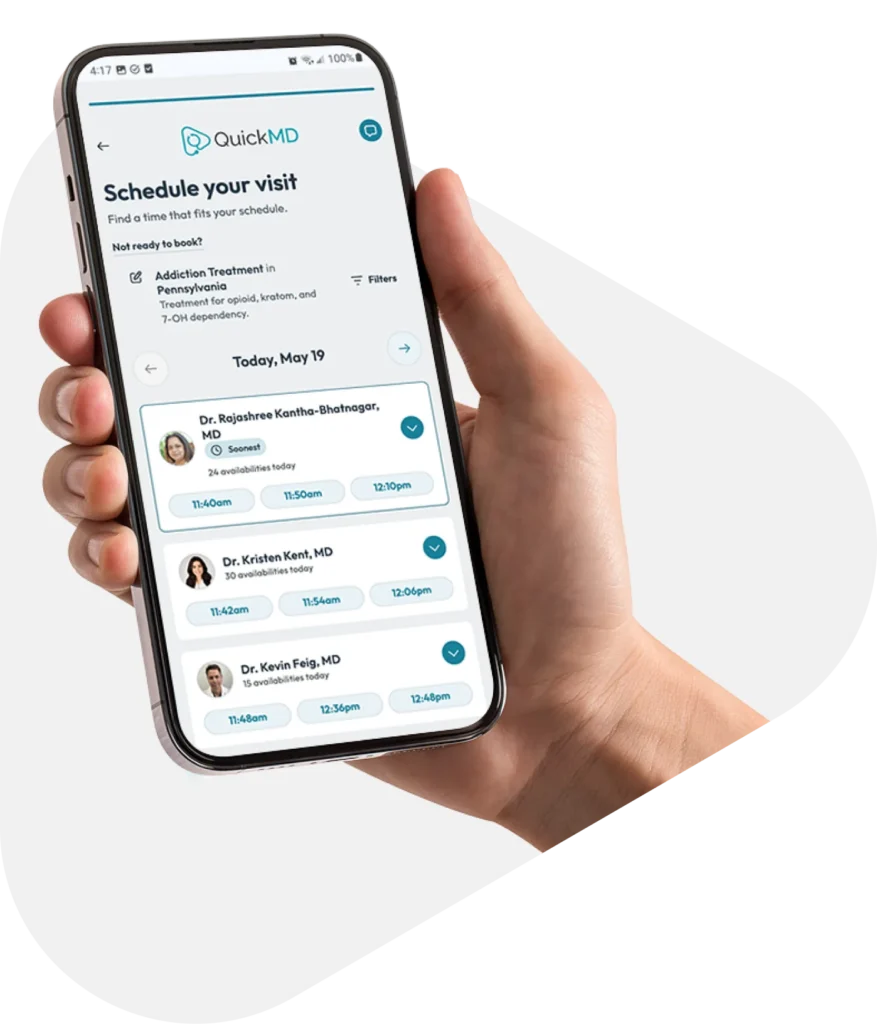
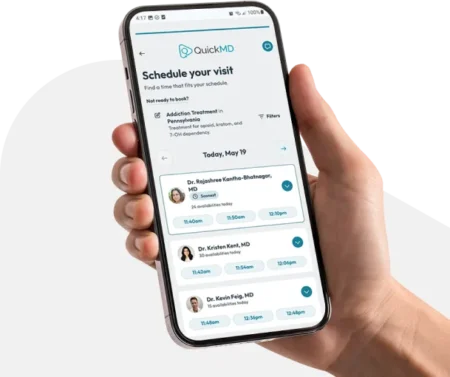
Choose your doctor
Pick your doctor, create your account, and book a time that works for you. Same-day visits are often available.
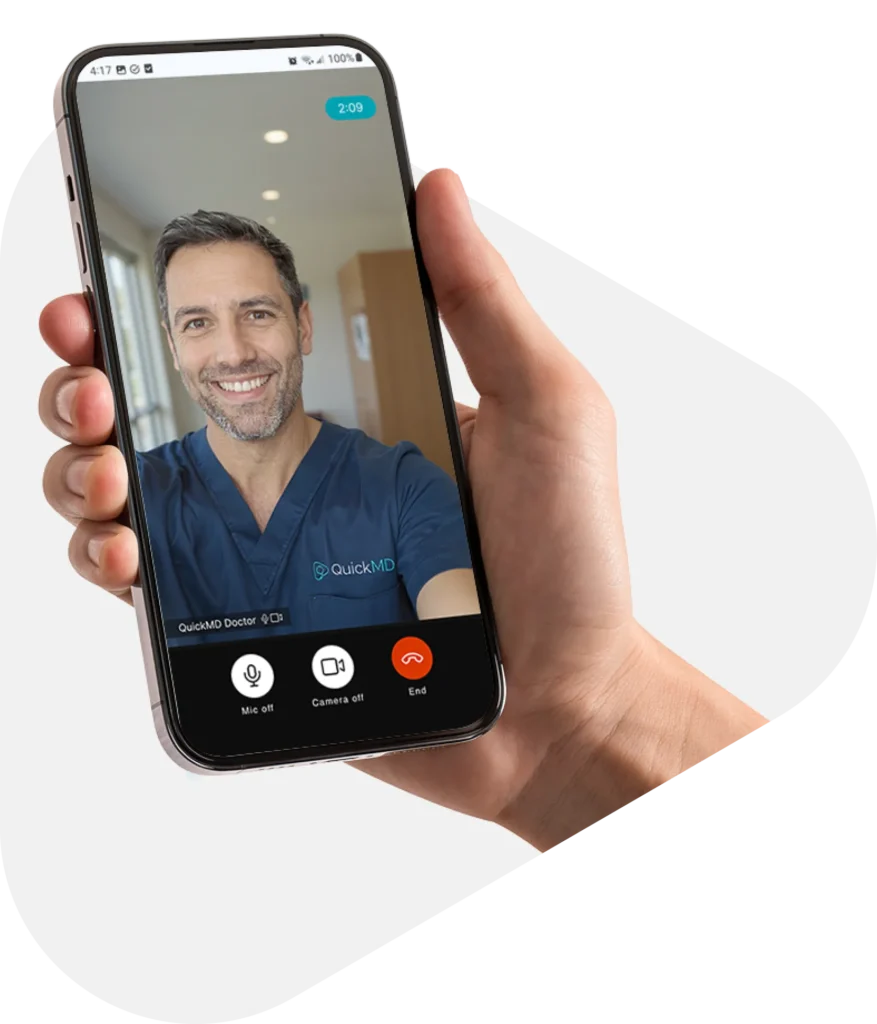
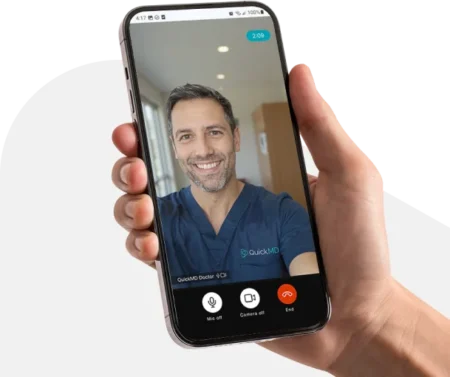
Meet by phone or video
Talk with a doctor by private phone or video and get your prescription the same day if appropriate.
Manage opioid cravings and withdrawal with Suboxone® treatment
Private and judgment-free video visits now available.
What our patients are saying

Appointments
7 days/week

Same-day
prescriptions

100% online
and secure
Stop opioid cravings and withdrawal
Same-day visits. No insurance required.
Start treatment with Suboxone today
At QuickMD, getting your Suboxone prescription is simple. Schedule a quick phone or video appointment with a licensed clinician and we’ll send your prescription directly to your pharmacy.
Meet our licensed clinicians in California
We make it easy to find licensed clinicians in California. Meet trusted experts, available seven days a week for virtual care.
-
Dr. A Horowitz
Licensed clinician
CaliforniaNow accepting new patients -
Dr. Abdullah Almehbash
Licensed clinician
CaliforniaNow accepting new patients -
Dr. Andrew Medenbach
Licensed clinician
CaliforniaNow accepting new patients -
Dr. Angela Schultz
Licensed clinician
CaliforniaNow accepting new patients -
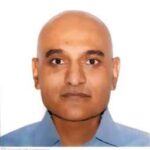
Dr. Anup Sanghvi
Licensed clinician
CaliforniaNow accepting new patients -
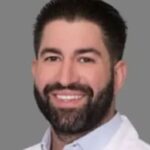
Dr. Ario Angha
Licensed clinician
CaliforniaNow accepting new patients -
Dr. Brandt Maloney
Licensed clinician
CaliforniaNow accepting new patients -
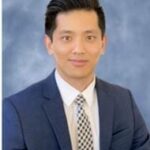
Dr. Calvin Truong
Licensed clinician
CaliforniaNow accepting new patients -
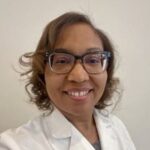
Dr. Candra Wooten
Licensed clinician
CaliforniaNow accepting new patients -
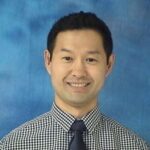
Dr. Chan Ho Shin
Licensed clinician
CaliforniaNow accepting new patients -
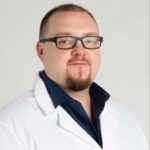
Dr. Christopher Kemen
Licensed clinician
CaliforniaNow accepting new patients -
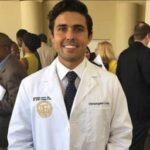
Dr. Christopher Long
Licensed clinician
CaliforniaNow accepting new patients -
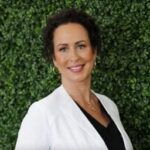
Dr. Colleen Buono
Licensed clinician
CaliforniaNow accepting new patients -
Dr. Daniel Funsch Jr
Licensed clinician
CaliforniaNow accepting new patients -
Dr. David Nguyen
Licensed clinician
CaliforniaNow accepting new patients -
Dr. Don Taylor
Licensed clinician
CaliforniaNow accepting new patients -
Dr. Dorcas Lomo
Licensed clinician
CaliforniaNow accepting new patients -
Dr. Dylan Deatrich
Licensed clinician
CaliforniaNow accepting new patients -
Dr. Eslam Mohamed
Licensed clinician
CaliforniaNow accepting new patients -
Dr. Fred Gardezy
Licensed clinician
CaliforniaNow accepting new patients -
Dr. Hyman Thompson
Licensed clinician
CaliforniaNow accepting new patients -
Dr. Janet OBrien
Licensed clinician
CaliforniaNow accepting new patients -
Dr. Janet Whitney
Licensed clinician
CaliforniaNow accepting new patients -
Dr. Javier Jimenez
Licensed clinician
CaliforniaNow accepting new patients -
Dr. Joshua Radparvar
Licensed clinician
CaliforniaNow accepting new patients -
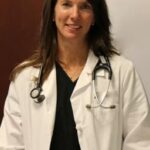
Dr. Julie Marmon
Licensed clinician
CaliforniaNow accepting new patients -
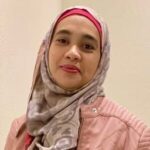
Dr. Kanwal Qidwai
Licensed clinician
CaliforniaNow accepting new patients -
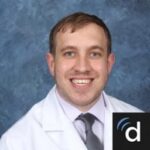
Dr. Kyle Meggison
Licensed clinician
CaliforniaNow accepting new patients -
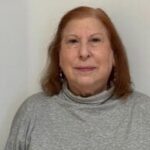
Dr. Linda Glaser
Licensed clinician
CaliforniaNow accepting new patients -
Dr. Lindsay Lopata
Licensed clinician
CaliforniaNow accepting new patients -

Dr. Mazna Ahmad
Licensed clinician
CaliforniaNow accepting new patients -
Dr. Michael Lifson
Licensed clinician
CaliforniaNow accepting new patients -
Dr. Michael Samuels
Licensed clinician
CaliforniaNow accepting new patients -
Dr. Michael Torres
Licensed clinician
CaliforniaNow accepting new patients -
Dr. Muhammad Imran
Licensed clinician
CaliforniaNow accepting new patients -

Dr. Myriam Kane
Licensed clinician
CaliforniaNow accepting new patients -
Dr. Nabi Ferra
Licensed clinician
CaliforniaNow accepting new patients -
Dr. Nameeta Dookeran
Licensed clinician
CaliforniaNow accepting new patients -
Dr. Nick Raubitschek
Licensed clinician
CaliforniaNow accepting new patients -
Dr. Patrick Wecker
Licensed clinician
CaliforniaNow accepting new patients -
Dr. Paul Flatley
Licensed clinician
CaliforniaNow accepting new patients -
Dr. Quynh Nguyen
Licensed clinician
CaliforniaNow accepting new patients -
Dr. Ramy Abukwaik
Licensed clinician
CaliforniaNow accepting new patients -
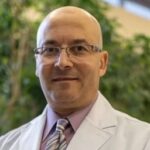
Dr. Reda Shedeed
Licensed clinician
CaliforniaNow accepting new patients -
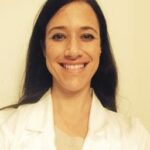
Dr. Robin Roland
Licensed clinician
CaliforniaNow accepting new patients -
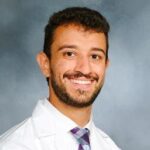
Dr. Sean Bandzar
Licensed clinician
CaliforniaNow accepting new patients -
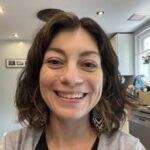
Dr. Stephani Luecker
Licensed clinician
CaliforniaNow accepting new patients -
Dr. Stephen Lee
Licensed clinician
CaliforniaNow accepting new patients -
Dr. Steve B. Lowenthal
Licensed clinician
CaliforniaNow accepting new patients -

Dr. Sumera Amin
Licensed clinician
CaliforniaNow accepting new patients -
Dr. Thomas Gionis
Licensed clinician
CaliforniaNow accepting new patients
Why virtual addiction treatment matters in California
California is vast, and for many people, so is the distance to care. Between work, family responsibilities, traffic, and limited resources or difficulty accessing them, finding time for addiction treatment can feel overwhelming.
But the need for support is real. According to state data, California recorded over 7,500 drug overdose deaths in 2023, with synthetic opioids like fentanyl playing a major role. Rural counties and underserved urban neighborhoods often face the biggest barriers, where clinics are few, and waitlists are long.
That’s why virtual care matters.
With QuickMD you can start Medication-Assisted Treatment in California from home by simply using your phone or a laptop. No need to miss work or sit in a waiting room. Just safe, private care on your schedule, at your pace.
How access to addiction treatment is improving in California
California has taken meaningful steps to expand access to evidence-based addiction care, especially through telemedicine and legislative action.
Thanks to Assembly Bill 2376, passed in 2022, the state strengthened its strategy around opioid treatment. The law emphasizes expanding MAT access, supporting behavioral health providers, and addressing barriers to treatment for historically underserved populations.
Telemedicine is now a central part of that approach, making it easier for providers to deliver MAT through secure video or phone visits, especially helpful in areas with long travel times or provider shortages.
California also passed AB 2760, a law requiring healthcare providers to offer naloxone to patients who may be at risk for overdose. This supports overdose prevention and helps save lives, particularly for people with opioid prescriptions or a history of substance use disorder.
Organizations like the California Overdose Prevention Network (COPN) bring counties and communities together to share resources, track trends, and strengthen local response efforts. Their work supports everything from early intervention to naloxone distribution.
Together, these actions are helping to break down barriers, and QuickMD is here to be part of the solution.
How our virtual MAT program supports you
Every recovery journey is different. That’s why your first visit focuses on what matters most: understanding your needs.
During your initial appointment, your QuickMD provider will talk with you about your health history and help shape a care plan that fits your situation.
Treatment may include:
Partial opioid agonists like buprenorphine, which reduce withdrawal symptoms and cravings by working gently on your brain’s opioid receptors.
Opioid antagonists, such as naloxone, help prevent overdose by blocking those receptors completely.
We may also refer you to behavioral therapies or connect you with licensed mental health professionals as part of a broader support plan.
We ensure your care is personalized. And it’s always built around where you are today, not where someone else thinks you should be.
Tips for managing addiction treatment
1. Make room for recovery
Life in California moves fast, whether you’re navigating LA traffic, working vineyard shifts, or balancing school and family. Try:
- Setting calendar reminders for medication or appointments
- Pairing your dose with something routine, like brushing your teeth or making coffee
- Creating a quiet moment each day to check in with yourself
Your routine doesn’t have to be perfect. It just has to work for you.
2. Know your pharmacy options
Prescriptions can be sent to a local pharmacy of your choice. If you’re in a rural area, call ahead to confirm they stock your prescription. We’re also happy to help you find one that does.
3. Use what’s around you
You’re not alone, and you don’t have to do this on your own. California has a wide range of support programs, from virtual peer groups to harm reduction organizations and local public health clinics. These services can help you stay connected and supported between medical visits.
4. Be upfront with your provider
Maybe you’re working unpredictable shifts. Maybe you don’t have a quiet place for virtual visits. Maybe you’re juggling caregiving and everything else. Whatever your situation, it’s okay to talk about it. Your provider is here to help you find ways to make treatment easier, not harder.
You don’t have to have everything figured out. You don’t have to be in a perfect place or have a perfect plan. What matters is that you’re taking a step toward feeling better, and we’re here to support you through it.
We also offer these services in California
At QuickMD, we're committed to bringing convenient, affordable, and compassionate virtual care to patients across California. In addition to addiction treatment, we proudly offer:
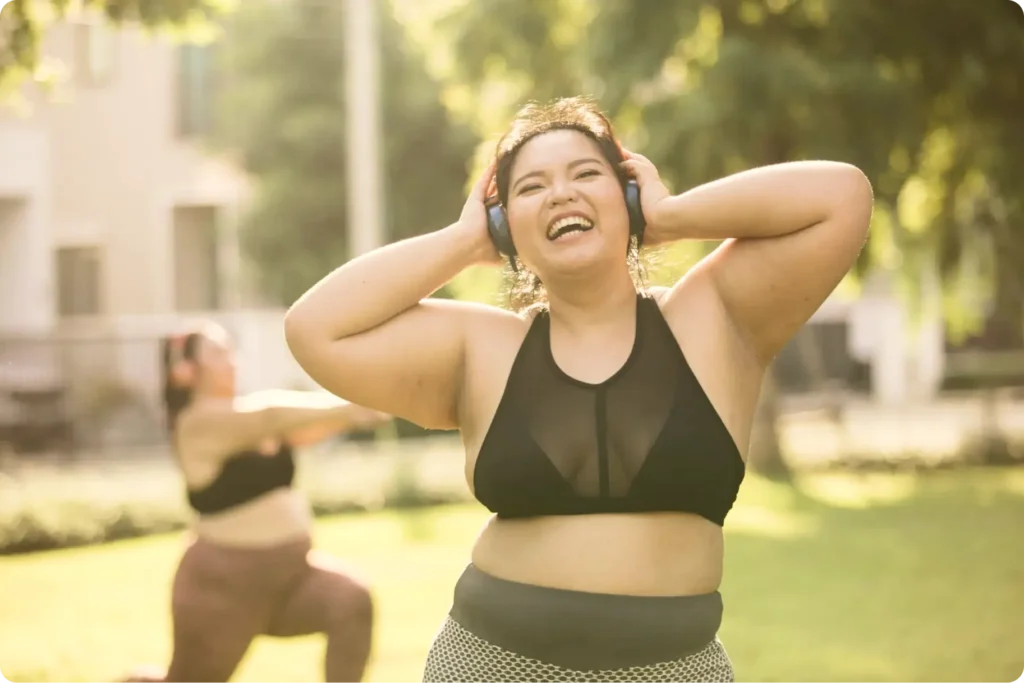
Medical weight loss
Our online weight loss treatment helps you explore options like Ozempic® and Mounjaro® with licensed clinicians, offering support tailored to your health goals.

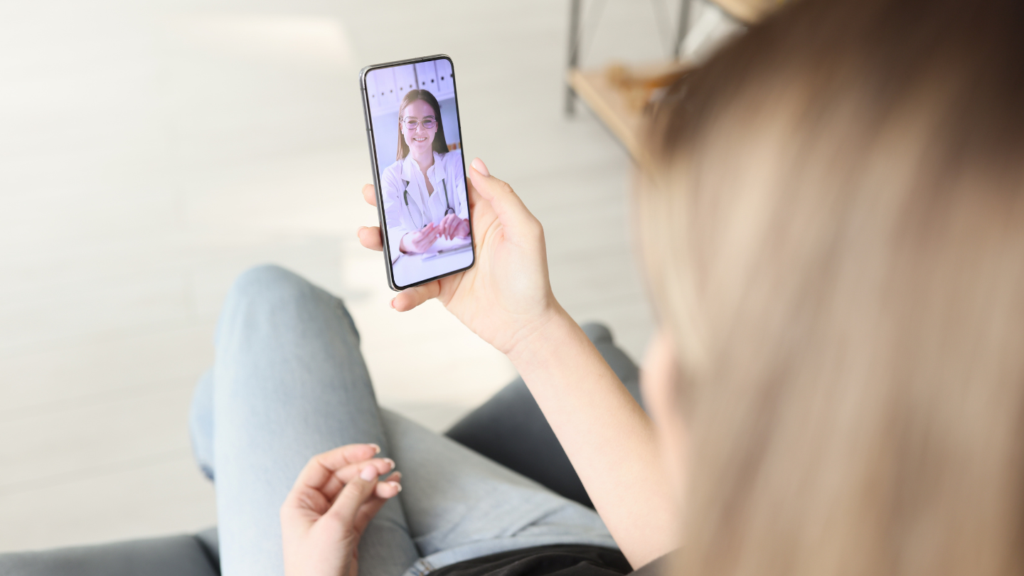
Start treatment with Suboxone today
At QuickMD, getting your Suboxone prescription is simple. Schedule a quick phone or video appointment with a licensed clinician and we’ll send your prescription directly to your pharmacy.
Frequently asked questions about MAT in
California
AB 2376, passed in 2022, outlines the state’s strategy for expanding addiction treatment access, especially through Medication-Assisted Treatment (MAT). It supports the use of telemedicine, emphasizes treatment over punishment, and promotes equitable access across California communities.
COPN is a statewide coalition of counties, public health agencies, and organizations working together to prevent overdoses. It provides data-sharing, community support, and resources like naloxone distribution programs to save lives and improve recovery options.
There are several laws in California that touch opioids. AB 2760 is a key California law that requires providers to offer a naloxone prescription to patients at high risk for opioid overdose. This includes people taking high-dose opioids or those with a history of substance use disorder. The goal is to increase access to life-saving medication and reduce accidental deaths.