If you are having thoughts of suicide or self-harm, call or text the 988 Suicide and Crisis Lifeline, or chat at 988lifeline.org. In an emergency, call 911.
What you’ll learn
We explain why trazodone is prescribed for both sleep and depression, and how the dose differs for each. We also cover the side effects to expect and when to call your doctor.
Wondering what trazodone might feel like once you start taking it? Some effects can show up quickly, while others may change as your body adjusts. Your experience can also vary depending on your dose and whether trazodone was prescribed for sleep or depression. Here’s what to know about common side effects, how long they may last, and when to call your doctor.
What is trazodone?
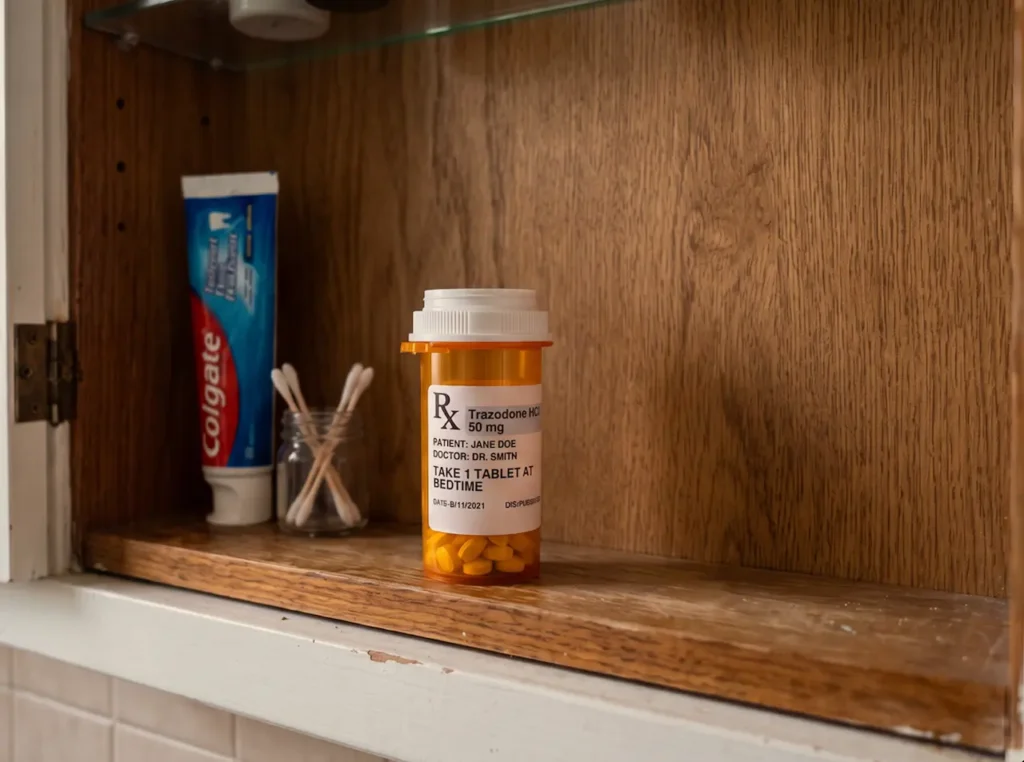
Trazodone is a prescription antidepressant that is approved to treat depression, and it’s also prescribed at much lower doses to help with sleep because it makes most people feel drowsy.
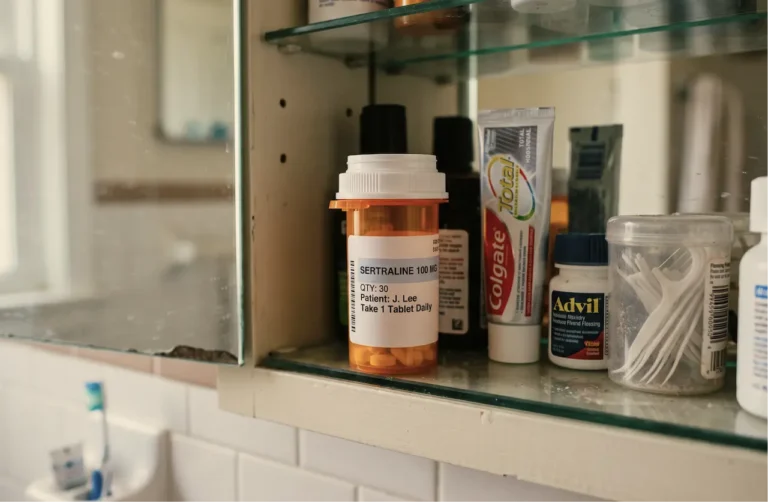
Trazodone is an antidepressant that’s part of a class called SARIs (serotonin antagonist and reuptake inhibitors). SSRIs, the more familiar class that includes medications like sertraline (Zoloft®), mainly work by stopping your brain from reabsorbing serotonin, so more of it stays available.
Here are a few quick facts worth knowing:
- Trazodone is taken by mouth and is available as a low-cost generic.
- It isn’t a controlled substance, and it doesn’t carry dependency risk. Stopping it suddenly can still cause withdrawal-type symptoms, so plan any change with your doctor.
- The old brand name, Desyrel®, hasn’t been sold in years. If you’ve heard the name, it’s the same medication.
Trazodone for sleep issues: what to know
If you’re prescribed trazodone for sleep, your dose is likely a fraction of what is used to treat depression. At low doses (around 25 to 100 mg), trazodone commonly produces sedation, which is what makes it useful for sleep. Working as an antidepressant requires a much higher dose for the desired effect.
Major sleep-medicine guidelines don’t rank trazodone as a top choice for insomnia on its own. But that doesn’t make it the wrong choice for you. At QuickMD, we may prescribe trazodone as part of treatment because it works well for many patients, specifically for sleep issues related to depression or anxiety.
How does trazodone work?
There are two things that happen when you take trazodone:
- It slows down how quickly your brain reabsorbs serotonin, similar to what an SSRI does.
- It also directly blocks certain serotonin receptors.
Researchers don’t fully agree on exactly how those two effects combine to work, but the receptor-blocking effect is the one most closely linked to drowsiness. How much you’ll feel varies quite a bit from person to person. Research on how well it actually works is ongoing.
Trazodone dosage
Trazodone is dosed very differently depending on why it’s prescribed. These are typical ranges a doctor may set and adjust. (Note: Do not attempt to adjust your dose on your own.)
| Use | Typical dose | Timing |
| Depression (FDA-approved) | Starts around 150 mg per day, split into smaller doses and raised gradually, up to a maximum of 400 mg per day | Split across the day, as directed by your doctor |
| Sleep issues tied to depression or anxiety (off-label) | About 25 to 100 mg | Taken roughly 30 minutes before bed |
Most doctors start at a low dose and adjust from there based on how you respond. That’s why your dose might be different from what someone else takes or a number you found online: your prescription is set for you, not based on a formula.
Common side effects of trazodone
You may notice any of the following side effects when you start your trazodone prescription, especially in the first couple of weeks:
- Drowsiness or sleepiness: This is the most common effect. It’s also the intended effect when the medication is prescribed for sleep. At a dose for depression, it can carry into the next morning as grogginess.
- Dry mouth: Sipping water throughout the day can help.
- Dizziness or lightheadedness: This is most noticeable when you stand up quickly, so rising slowly can reduce it.
- Headache, blurred vision, and nausea: These tend to show up early and fade over the first days to weeks. Taking trazodone with a light meal or snack can ease the nausea.
Most of these ease up as your body adjusts to the medication. Compared with many SSRIs, trazodone is less likely to affect your sex drive or function.
It’s best to avoid alcohol when taking trazodone. Combined, the two amplify each other’s drowsiness and dizziness well beyond what either causes alone.
Serious side effects and warnings
Most people who take trazodone never run into any serious side effects. Still, it’s worth knowing what to watch for and what to do if you have a negative reaction, even though it’s unlikely.
| Serious effect | Signs | What to do |
| Priapism | A painful erection lasting longer than 4 hours, unrelated to arousal | Stop taking trazodone and get emergency care right away |
| Orthostatic hypotension | Dizziness or fainting when standing up | Stand up slowly, and tell your doctor |
| Serotonin syndrome | Fast heart rate, sweating, muscle stiffness, fever, confusion | Get emergency care; more likely when combined with other serotonin-affecting medications |
| Abnormal heart rhythm (QT prolongation) | Chest pounding or faintness | Contact your doctor immediately |
| Unusual bleeding | Bruising or bleeding more easily than usual | More likely with NSAIDs or blood thinners; tell your doctor |
| Low sodium (hyponatremia) | Headache, confusion, weakness | More common in older adults; contact your doctor |
Trazodone also carries an FDA boxed warning for a higher risk of suicidal thoughts in children, teens, and young adults under 25. This risk is highest early in treatment or shortly after a dose change, but it applies to the entire antidepressant class. If you or someone you’re watching over notices new or worsening mood or behavior while taking trazodone, contact a doctor right away.
If you are having thoughts of suicide or self-harm, call or text 988 to reach the Suicide and Crisis Lifeline, or chat at 988lifeline.org. In an emergency, call 911.
What not to combine with trazodone
Most of trazodone’s real risk comes from what you combine it with, not the medication on its own. Here are the most important combinations to avoid:
- Never combine trazodone with an MAOI (monoamine oxidase inhibitor), and leave at least 14 days between stopping one and starting the other. The combination can trigger serotonin syndrome, a genuine medical emergency.
- Other medications that raise serotonin carry the same risk at a smaller scale, including other antidepressants and certain migraine or pain medications.
- Alcohol, benzodiazepines, sleep medications, and opioids all increase the strength of trazodone’s drowsiness, which raises your risk of a fall, especially for older adults.
- Certain antibiotics, antipsychotics, and antifungal medications can affect your heart rhythm when combined with trazodone.
Give your doctor a full list of everything you take (prescriptions, over-the-counter products, supplements) before you start. They’ll be able to catch a risky combination before it becomes one.
Stopping trazodone
If you’re ready to stop trazodone, loop your doctor in first rather than quitting on your own. Stopping suddenly after taking it regularly can bring on withdrawal-type symptoms, including nausea, irritability, or a few rough nights of rebound insomnia. Those symptoms might not feel dangerous, but they are entirely avoidable. Taper the dose down with your doctor’s guidance. It’s the safer way to stop the medication.
Frequently asked questions about trazodone
What happens if I miss a dose of trazodone?
If you miss a dose for sleep, just skip it and take your next one as scheduled. Don’t double up to make up for it. For depression, take the missed dose as soon as you remember, unless it’s close to your next one, in which case, skip it and continue as normal. If you’re ever unsure, contact your doctor or pharmacist.
Can trazodone cause weight gain?
Weight gain is possible, but it isn’t one of the more common side effects, and it tends to be smaller than what some other antidepressants can cause. If you notice a real change in your weight, mention it to your doctor rather than adjusting your dose on your own.
Is trazodone safe to take long-term?
Many people take trazodone for months or years, whether it’s for sleep or depression, with regular check-ins from their doctor along the way. There’s no set stopping point. Your doctor will help determine how long makes sense based on how you’re doing.
Does grapefruit interact with trazodone?
Yes. Grapefruit and grapefruit juice can raise the amount of trazodone in your body, which can make side effects like drowsiness or dizziness stronger. If you drink grapefruit juice regularly, mention it to your doctor.
Disclaimer
Articles on this website are meant for educational purposes only and are not intended to replace professional medical advice, diagnosis or treatment. Do not delay care because of the content on this site. If you think you are experiencing a medical emergency, please call your doctor immediately or call 911 (if within the United States). This blog and its content are the intellectual property of QuickMD LLC and may not be copied or used without permission.
References
U.S. Food and Drug Administration. (2017). Trazodone hydrochloride tablets prescribing information. accessdata.fda.gov
U.S. National Library of Medicine. (n.d.). Trazodone: MedlinePlus drug information. medlineplus.gov
National Institute of Mental Health. (n.d.). Mental health medications. nimh.nih.gov
Sateia, M. J., Buysse, D. J., Krystal, A. D., Neubauer, D. N., & Heald, J. L. (2017). Clinical practice guideline for the pharmacologic treatment of chronic insomnia in adults: An American Academy of Sleep Medicine clinical practice guideline. Journal of Clinical Sleep Medicine, 13(2), 307–349. pmc.ncbi.nlm.nih.gov
988 Suicide and Crisis Lifeline. (n.d.). 988lifeline.org
QuickMD has strict referencing policies and relies on reputable sources, including peer-reviewed research, clinical guidelines, medical organizations, and government and public health agencies, among others. Learn more about how we ensure accuracy in our content by reading our editorial guidelines.