What you’ll learn
We’ll share a breakdown of how injection timing can affect your experience with GLP-1 medications. Whether you’re just getting started or looking to fine-tune your existing routine, you’ll walk away with practical tips to make your treatment as comfortable and effective as possible.
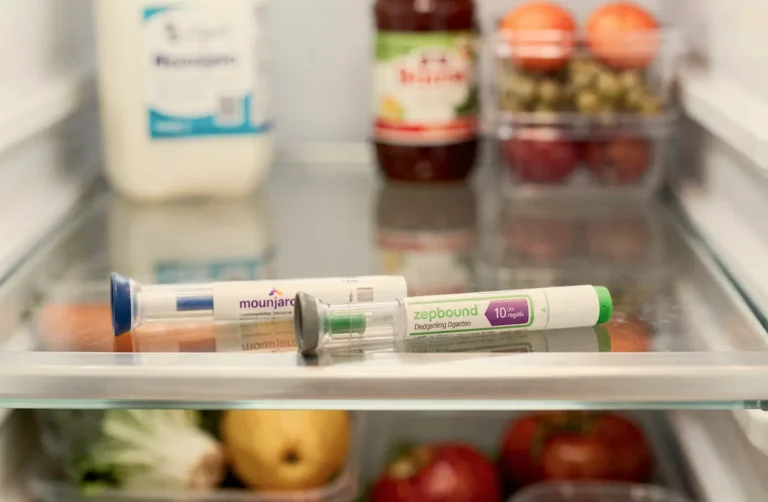
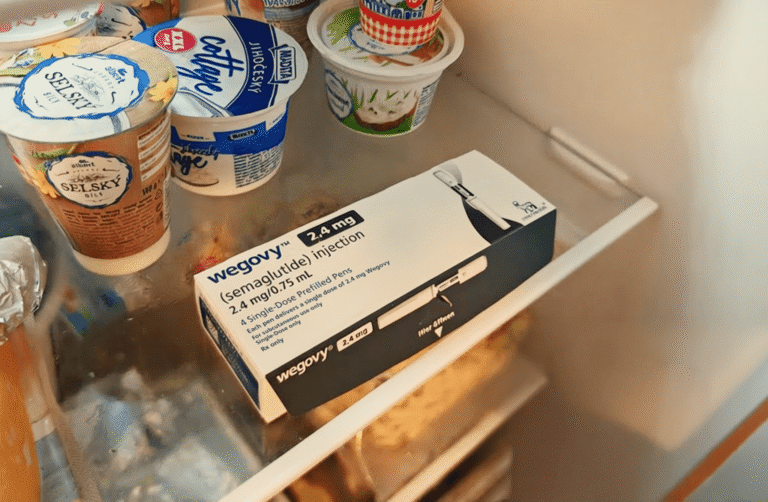
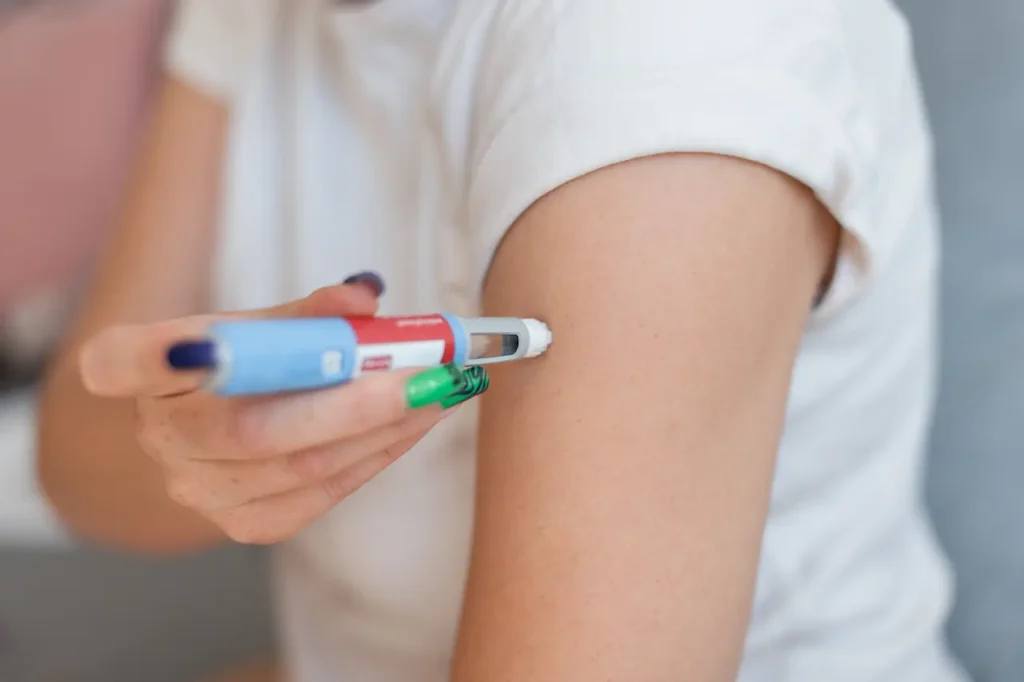
Timing can feel like an important decision when you’re taking GLP-1 injections like Ozempic®, Wegovy®, or Mounjaro®. Should you take it in the morning to jump-start your day? Would nighttime be better to sleep through any potential side effects? Does it matter if you take it around meals?
These are great questions, and the answers are more personal than you might think. The best time to take your GLP-1 injections depends on your lifestyle, how your body responds to the medication, and your healthcare provider’s guidance. Everyone’s experience is a little different, but learning about the different factors involved can help you find the time that works best for you.
What are GLP-1s?
GLP-1 stands for glucagon-like peptide-1, a hormone your body naturally produces to help regulate blood sugar and appetite. GLP-1 receptor agonist medications are designed to mimic this hormone, signaling your brain that you’re full, slowing digestion, and helping your body manage insulin more effectively. You might already recognize some of the brand names in this class, including Ozempic, Wegovy, Mounjaro, and Rybelsus®.
Why does it matter what time of day you take your GLP-1 medication?
When it comes to GLP-1s, taking your injection at a consistent time each day helps your body maintain steady levels of the medication in your system. That steadiness supports more predictable appetite suppression and blood sugar regulation. Inconsistent timing can cause those levels to fluctuate, which may chip away at how well the medication works over time.
Timing also plays a real role in how comfortable you feel day to day. Side effects like nausea or fatigue are common, especially in the early weeks of treatment, and they tend to be tied closely to when the medication peaks in your system. Choosing an injection time that fits your schedule and body can make a meaningful difference in managing those effects, and in how easy it is to stick with your routine long-term.
Morning vs. night: does it make a difference?
There’s no single right answer to when to take your GLP-1 medication. The better choice is the one that fits naturally into your life, helps you stay consistent, and keeps side effects manageable.
Benefits of morning GLP-1 injections
Starting your day with your injection can be a great fit if you thrive on structured morning routines. Here are a few reasons some people prefer the AM approach:
- Steadier energy levels: Some people find that taking their shot in the morning helps maintain consistent energy throughout the day.
- Making side effects easier to manage: If you experience nausea, taking your injection early allows symptoms to subside well before bedtime so you can get a good night’s sleep.
- Routine-friendly: Many people find it easier to remember their medication when it’s paired with something they already do every morning, like making coffee or brushing their teeth.
Benefits of nighttime GLP-1 injections
If mornings feel rushed or unpredictable, an evening injection might be a better fit. Here’s why nighttime timing works for a lot of people:
- Convenience: Evenings tend to offer a more relaxed window to focus on your medication, without the pressure of a morning schedule.
- Fewer worries about daytime nausea: Taking your injection at night may allow you to sleep through any mild nausea or discomfort, making the adjustment period easier to manage. It can also help you get through a busy morning without worrying whether you might feel queasy during an early meeting or commute.
- Greater flexibility: Nighttime injections can be a natural fit for people with busy or unpredictable mornings, since there’s less that can get in the way.
An at-a-glance look at considerations for GLP-1 timing
Still not sure which is the best fit for you? Here’s a table that can help you make the right call that works best for your lifestyle and schedule.
| If you… | Consider morning | Consider night |
| Want daytime appetite control | X | |
| Feel nauseous after injections | X | |
| Have trouble sleeping after doses | X | |
| Prefer consistent morning routines | X | |
| Usually remember meds at night | X | |
| Take oral semaglutide before breakfast | X |
Should you take GLP-1s around meals?
Unlike some medications, most GLP-1 injections can be taken with or without food, so you have some flexibility there. That said, it’s worth knowing that certain oral GLP-1 medications, like Rybelsus (oral semaglutide), need to be taken on an empty stomach with just a small sip of water, at least 30 minutes before eating or drinking anything else. If you’re using an injectable form like Ozempic or Wegovy, meal timing is less restrictive. Still, what you eat around the time of your injection can influence how you feel afterward:
- Nausea: Eating a light, protein-rich snack before your injection (think a handful of nuts, a hard-boiled egg, or a few crackers with peanut butter) can sometimes help settle your stomach. It’s also a good idea to avoid heavy, greasy, or spicy foods close to injection time, since those can make nausea worse.
- Appetite suppression: Taking your injection shortly before a meal may enhance feelings of fullness, which can naturally support smaller portion sizes without feeling like you’re forcing it.
Key factors to consider when timing your GLP-1 doses
Ultimately, the best time for your GLP-1 injection is what works for your body and your lifestyle. A little experimentation, combined with guidance from your provider, can go a long way toward finding what clicks for you.
Here are a few factors to keep in mind that might be helpful:
- Side effects: If nausea or fatigue are concerns, try adjusting when you take your injection. Some people notice a real difference simply by switching from morning to evening, or vice versa.
- Your routine: Choose a time when you’re least likely to forget or skip your injection. Whether that’s right after your morning coffee or as part of your bedtime wind-down, anchoring it to an existing habit helps.
- Consistency: Taking your injection at the same time each week helps your body maintain steady levels of the medication and supports more predictable results over time.
- Concurrent medications: If you take other medications, their timing can affect when it makes sense to take your GLP-1. For example, some medications can impact digestion or absorption in ways that may interact with GLP-1 activity. Always let your healthcare provider know about everything you’re taking so they can help you build a schedule that works safely and effectively for your full regimen.
Remember: If you’re trying to figure out the best time to take your GLP-1 medications, you don’t have to do it alone. Your doctor can help carve out a routine that works best for you.
Tips for a smooth injection routine
Building an injection routine that works for you does not have to be complicated. A few simple, consistent habits can help you stay on track and feel more confident managing your treatment.
- Set reminders: Use phone alarms, calendar alerts, or a medication reminder app to stay consistent. Choosing the same time each day or week takes the guesswork out of it entirely, so it becomes second nature before you know it.
- Prepare ahead: Keep your medication and supplies in one designated, easy-to-access spot. If your medication requires refrigeration, make sure it’s stored correctly and that you have a plan for travel or days away from home. Most injectable GLP-1 pens can be kept at room temperature for a limited period once in use, so check the prescribing information for specifics.
- Track symptoms: Keep a simple log of how you feel after each injection. Even a few quick notes in your phone about nausea levels, energy, and appetite can help you and your provider spot patterns and fine-tune the timing that can help minimize side effects.
How QuickMD can help
The best time to take your GLP-1 injection depends on what feels right for your body and your schedule. Whether you prefer mornings, evenings, or tying it to meals, the key is staying consistent and listening to how your body responds.
Finding the right GLP-1 routine is a personal process, and you don’t have to figure it out on your own. QuickMD’s licensed providers are experienced in GLP-1 medications and ready to offer the personalized guidance you need to feel confident in your treatment.
Ready to take the next step with a team that’s genuinely in your corner. Book a visit today.
Frequently asked questions about GLP-1 timing
What happens if I miss my normal dosage time?
Missing an injection happens, and it’s nothing to stress over. For weekly GLP-1 medications like Ozempic or Wegovy, you can generally take your missed dose within five days of your originally scheduled day. If more than five days have passed, it’s typically best to skip that dose and pick back up on your regular schedule the following week.
Can I change my dosage time from morning to night?
Yes, you can switch your injection timing if a different time of day suits you better. The most important thing is to stay consistent once you’ve made the change, and to make sure you’re not taking doses too close together during the transition. If you’re unsure how to make the switch safely for your specific medication, a quick conversation with your QuickMD provider can walk you through it.
Can I take my GLP-1 a day early?
For weekly GLP-1 medications, taking your dose one or two days earlier than scheduled is generally acceptable in a pinch, as long as you adjust your regular injection day going forward. That said, it’s always a good idea to check with your healthcare provider before shifting your schedule, since individual factors like your dosage and any other medications you take can affect what’s appropriate for you.
What is the best day of the week to take GLP-1s?
There’s no universal “best” day to take your weekly GLP-1 injection. The ideal day is simply the one you can most easily commit to, week after week. Many people anchor their injection to an existing weekly habit, like Sunday mornings or Friday evenings, so it’s harder to forget. Whatever day you choose, staying consistent is more important than which day it falls on.
Disclaimer
Articles on this website are meant for educational purposes only and are not intended to replace professional medical advice, diagnosis or treatment. Do not delay care because of the content on this site. If you think you are experiencing a medical emergency, please call your doctor immediately or call 911 (if within the United States). This blog and its content are the intellectual property of QuickMD LLC and may not be copied or used without permission.
References
Healthline. (2026). GLP-1s and Energy levels: Is Fatigue a Side Effect? https://www.healthline.com/health/drugs/glp-1-fatigue
NovoNordisc. (2026). Ozempic semaglutide tablets; Rybelsus semaglutide tablets. https://www.novo-pi.com/rybelsus.pdf
American Diabetes Association Professional Practice Committee. Introduction and methodology: Standards of Care in Diabetes. (2024). Diabetes Care 2024;47(Suppl. 1):S1–S4. https://diabetesjournals.org/care/article/47/Supplement_1/S52/153956/4-Comprehensive-Medical-Evaluation-and-Assessment
NovoNordisc. (2026). Ozempic semaglutide injection. https://www.novo-pi.com/ozempic.pdf
QuickMD has strict referencing policies and relies on reputable sources, including peer-reviewed research, clinical guidelines, medical organizations, and government and public health agencies, among others. Learn more about how we ensure accuracy in our content by reading our editorial guidelines.