What you’ll learn
If you’re thinking about incorporating GLP-1s into your weight loss journey, we’ll walk you through how to prepare for your appointment, what information and questions to bring, and what to do if weight loss medication isn’t prescribed.
Losing weight and keeping it off is hard. Talking to your doctor about needing help with it can feel even harder when you don’t know what to expect.
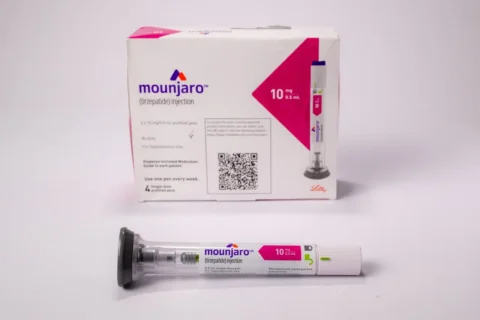
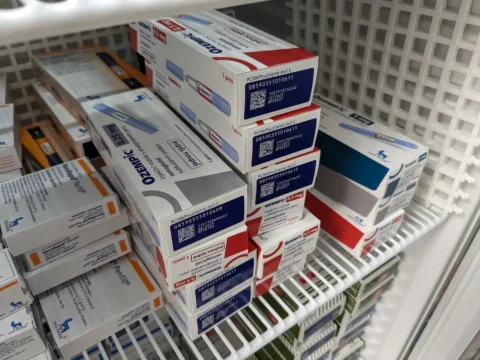
Over the past decade, prescription weight loss medications, including GLP-1 agonists like semaglutide, have become mainstream tools in weight management. From brand names like Ozempic® to Mounjaro®, you’ve probably heard about these medications from friends, social media, or the news, and may be wondering if they are right for you.
Despite how common weight struggles are, only 1 in 10 patients who are told to lose weight seek help from a healthcare professional. Bringing up the topic with your provider doesn’t have to be uncomfortable. We’ll show you what information to gather, questions to ask, and how to frame the conversation so you can have a productive discussion with your provider about whether weight loss medication makes sense for you.
Can my primary care doctor prescribe me weight loss medications?
Yes, primary care providers can prescribe weight loss medications if you meet eligibility requirements. Your provider will assess your medical history, current medications, and overall health to see if you’re a good candidate. This typically means having a BMI over 30, or a BMI over 27 combined with weight-related conditions like type 2 diabetes, sleep apnea, or high blood pressure.
Online providers like ours are another option if in-person appointments are hard to schedule or have long wait times.
How to prepare for the conversation
Before your appointment, gathering some information about your weight and health history can help you feel more prepared and confident. Here are things worth noting to share with your provider:
- Your current weight, along with any recent patterns you’ve noticed.
- A list of your current medications, vitamins, and supplements.
- Your medical history, especially conditions like heart disease, high blood pressure, diabetes, or high cholesterol.
- What you’ve already tried for weight loss, whether that’s specific diets, exercise programs, or previous medications.
- What your weight loss goals are and what success would look like for you.
- Any questions you have about specific medications, including different GLP-1 medications, their side effects, and what ongoing care looks like.
Questions to ask your provider
Once you’ve gathered your personal health information, having a few questions ready can help guide the conversation and make sure you cover what matters most to you. These questions can also help you better understand your eligibility for different medications. Here are some you may want to ask:
- How quickly should I expect to lose weight?
- Are my weight loss goals realistic for this medication?
- Should I make any changes to my diet or exercise routine?
- What are my options if I’m not comfortable with injections?
- What are the side effects, and how can I manage them?
- How long will I need to take this medication?
- What happens if I stop taking it? Will I regain the weight I lost?
- Will my insurance cover the costs?
What if my doctor does not prescribe weight loss medication?
If your provider doesn’t prescribe weight loss medication, it doesn’t mean you’re out of options. Your doctor may want to see how your body responds to changes in diet and exercise first before adding medication into the mix. This period can span a few months to a year. You might also benefit from working with other healthcare professionals who specialize in weight management. Other options include telemedicine, where you meet with a doctor online for a more private and personalized weight loss experience.
Start with lifestyle changes
For many people, the first steps toward losing weight are changes in diet plus regular exercise. If you’ve already tried these approaches without lasting success, discuss that with your provider. Otherwise, they may recommend focusing on portion control, cutting out sugary and highly processed foods, and eating more vegetables, lean proteins, and healthy fats.
For exercise, many providers will recommend setting small goals at first, like daily walks and light strength training, then gradually increasing as you build confidence and stamina. Even a 5% loss of body weight can improve cholesterol, blood pressure, and blood sugar over time.
Other healthcare specialists
Your primary care provider doesn’t have to be the only source of support for your weight loss goals. There are several types of healthcare professionals who can support you. Your provider can make referrals, or you can seek out some of these options yourself:
- Registered dietitian for specialized meal planning and nutritional guidance.
- Physical therapist to help create a safe exercise routine.
- Mental health professional who can address stress and emotional eating, and teach cognitive behavioral therapy (CBT) skills that will make weight loss more manageable.
- Support group for social support, encouragement, and accountability from others with similar goals.
- Online provider who can prescribe weight loss medications and give support through virtual check-ins. This is helpful if your current provider isn’t comfortable prescribing them.
Surgical weight loss options
If your BMI is 40 or above, or if you have a BMI of 35 or more with a serious weight-related health condition like type 2 diabetes, sleep apnea, or heart disease, your provider might talk with you about surgical options.
Procedures like gastric bypass or sleeve gastrectomy reduce the size of your stomach, so you feel full with less food. Surgery comes with a special diet to make sure you get enough nutrition from your meals while your body adjusts to eating smaller portions.
While surgery can result in significant and lasting weight loss, it requires long-term commitment to lifestyle changes and regular follow-up care. Because it’s a major decision that comes with risks, your provider can help you determine whether the potential benefits make sense for your specific situation.
Ready to discuss taking GLP-1s? Book a visit with a QuickMD provider
GLP-1 medications have helped many people reach their weight loss goals when other approaches haven’t worked. The first step is speaking with a provider to see if this is the right solution for you.
Here at QuickMD, you’ll work with experienced providers who can help you understand your options, answer your questions, and determine if GLP-1 medications make sense for your situation. The process doesn’t need to feel overwhelming. Telemedicine visits make it easy to get thoughtful answers and personalized support without the added stress of a waiting room.