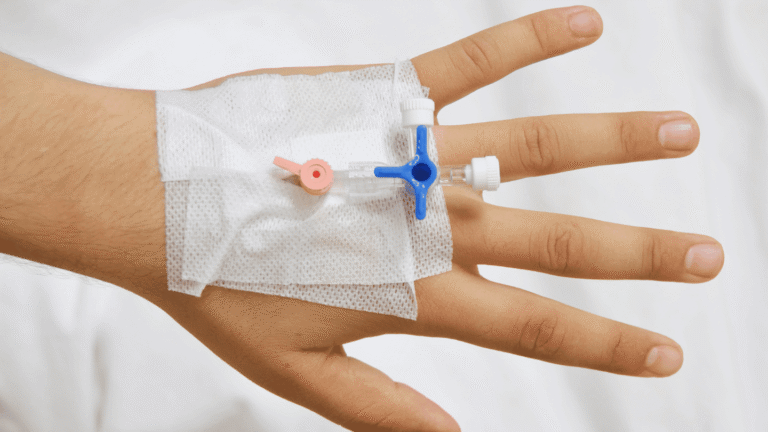
Apixaban, marketed as Eliquis, is a crucial anticoagulant that plays a pivotal role in slowing down blood clotting. It achieves this by inhibiting specific proteins that trigger blood clot formation. When the upper part of the heart fibrillates or twitches instead of beating, the risk of internal blood clotting increases. These clots can potentially migrate to the brain, leading to strokes.
Eliquis is a potent preventive measure against strokes. It is also prescribed to patients who have undergone hip or knee surgery to avert leg clots that could travel to the lungs, and to those already grappling with lung blood clots.
Dosage
Apixaban is conveniently available in tablet form, making it easy to administer. The standard dosage typically prescribed is 2.5 to 10.0 mg, to be taken twice a day.
Common Side Effects
- Chest pain
- Excessive menstrual bleeding
- Red or brown urine
- Swelling of face or tongue
- Bruising
- Dizziness
- Bleeding from the nose or gums
- Wheezing, difficulty breathing
Cost of Eliquis
The price of apixaban ranges from $478.00 to $531.00 for a bottle of 60 tablets, strength 5mg, with a coupon. To find a pharmacy near you, click here.
How to Obtain an Apixaban Prescription
Acquiring a prescription for Apixaban is straightforward. A physician or other licensed prescriber can do it. For your convenience, QuickMD offers the option to refill your blood thinners remotely through telemedicine and prescribe Eliquis online, ensuring you have easy access to this important medication.
Disclaimer
Articles on this website are meant for educational purposes only and are not intended to replace professional medical advice, diagnosis or treatment. Do not delay care because of the content on this site. If you think you are experiencing a medical emergency, please call your doctor immediately or call 911 (if within the United States). This blog and its content are the intellectual property of QuickMD LLC and may not be copied or used without permission.
QuickMD has strict referencing policies and relies on reputable sources, including peer-reviewed research, clinical guidelines, medical organizations, and government and public health agencies, among others. Learn more about how we ensure accuracy in our content by reading our editorial guidelines.